




Newsletter Subscribe
Enter your email address below and subscribe to our newsletter

 ByMrRobo
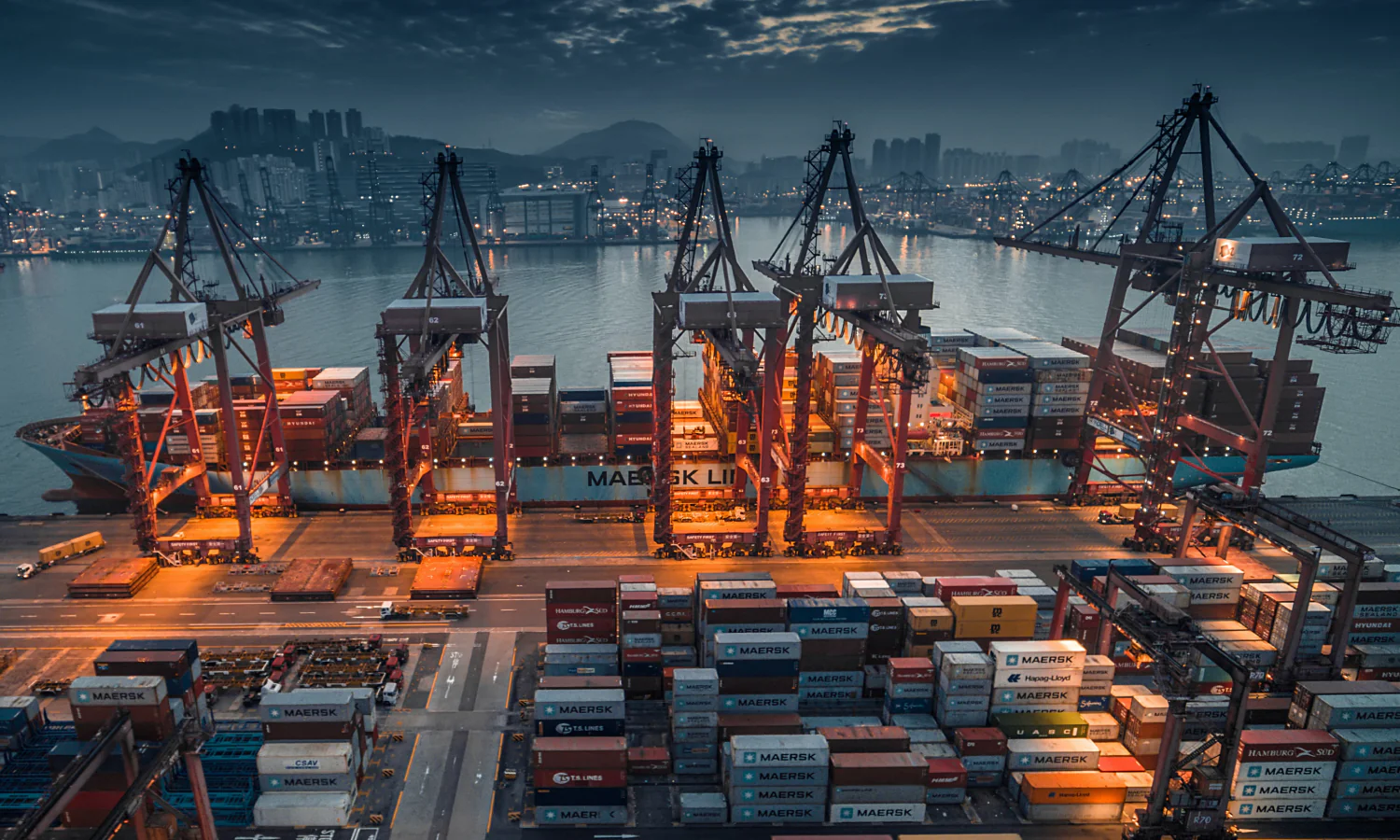
Port congestion is a major operational challenge in global maritime logistics. When ships arrive faster than ports can process them, vessels must wait at anchorage before docking. These delays increase fuel consumption, disrupt supply chains, and reduce port efficiency.
This Port Congestion Calculator helps estimate ship waiting time by analyzing vessel arrival rate, berth availability, and cargo handling time. Engineers, maritime students, and port planners can use this simple tool to understand congestion levels in modern ports.
Port congestion analysis uses a basic queueing model used in port engineering and maritime logistics.
Berth Utilization Formula
ρ = λ / (B × μ)
If berth utilization approaches 100%, congestion becomes very high and ships will experience significant delays.
Suppose a port receives 8 ships per day and each ship requires 6 hours to unload cargo.
Arrival rate = 8 / 24 = 0.33 ships per hour
Service rate = 1 / 6 = 0.166 ships per hour
If the port has 2 berths, berth utilization becomes approximately 99%, which indicates a very congested port.
Ships waiting offshore disrupt shipping schedules and delay cargo delivery.
Fuel consumption, crew time, and demurrage costs increase when ships remain idle.
Congestion delays affect factories, warehouses, and retailers that depend on maritime logistics.
Ships waiting at anchor continue burning fuel, increasing carbon emissions near coastal regions.
Modern smart ports use AI, automated cranes, and real-time ship tracking systems to reduce congestion. Digital port management platforms help optimize berth scheduling and improve terminal efficiency.
Tools like this congestion calculator help port engineers and logistics planners understand operational limits and evaluate infrastructure expansion strategies.